Experience the Magic of Responsible Wildlife Travel – No Roughing It Required
Choose a wildlife experience beyond ordinary sightseeing, guided by experts

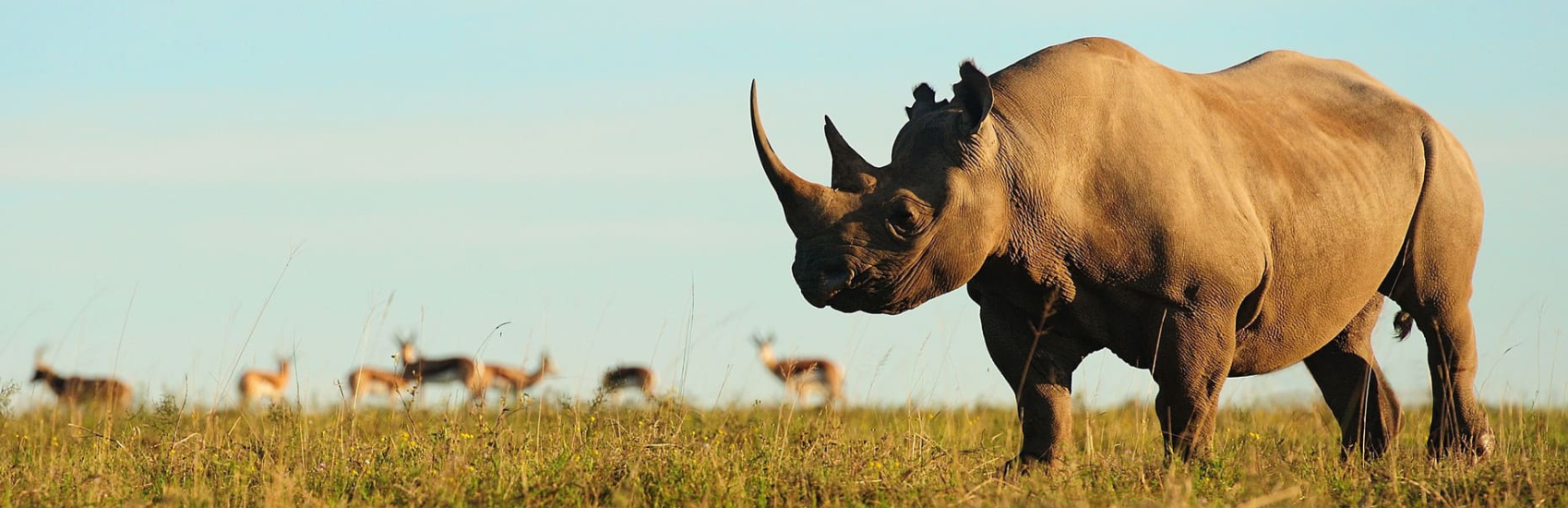
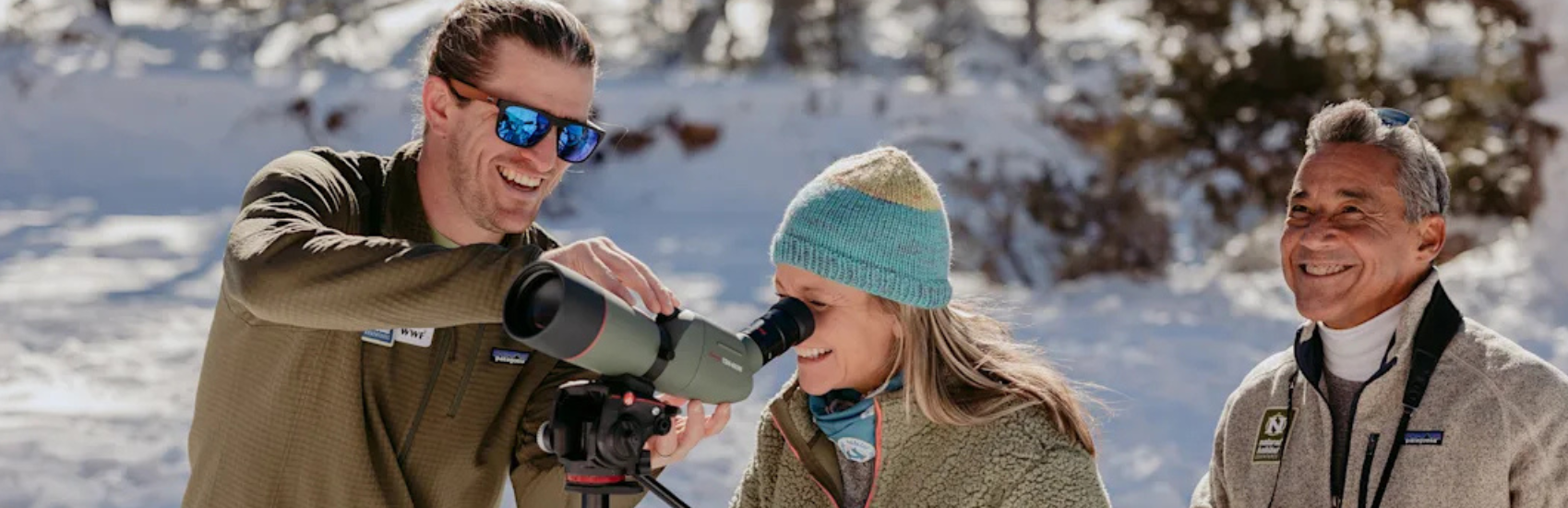
Wildlife encounters have a unique ability to ground us in the present moment, offering experiences that feel both humbling and extraordinary. Watching bison sweep across open plains, dolphins surface beside a boat, or elephants appear at the forest’s edge creates quietly extraordinary moments. These encounters remind us that travel is about life beyond ourselves and become the stories we remember long after a journey ends.
Many wildlife travel experiences are offered as guided wildlife tours designed for comfort and offer expert insight into local wildlife and communities. For travelers who enjoy well organized, small group journeys, this style of travel feels like a natural next step.
These guided wildlife experiences focus on observing animals in their natural habitats, often in relaxed, small group settings. At their best, wildlife journeys reveal the connection between animals, their environments, and the communities that protect them. Depth and meaning is present in every encounter.
What Wildlife Travel Experiences Really Look Like: Guided, Small-Group Journeys
Wildlife travel centers on spending time in natural habitats alongside expert guides who help travelers understand what they are seeing.
A typical day might start with an early wildlife drive, followed by a relaxed breakfast and time to review the morning’s highlights. Midday often includes a walk, boat outing, or coastal exploration focused on a specific habitat, with unhurried afternoons for rest, photography, or conversation with local guides. Evenings frequently return to wildlife viewing at dusk, when the landscape shifts and the day’s experiences come together.
Why Communities Matter in Wildlife Travel
Wildlife does not exist apart from people. Animals move through landscapes shaped by culture, history, and daily life. In many of the world’s most compelling wildlife destinations, local and Indigenous communities play a central role in protecting habitats and managing wildlife responsibly.
This is where responsible wildlife travel worldwide and community-based wildlife tourism come together, creating ethical wildlife experiences that prioritize observation over interaction, respect for wildlife, and meaningful partnerships with local communities. Communities act as land stewards, rangers, guides, and knowledge holders, drawing on generations of experience to care for ecosystems. When tourism is designed thoughtfully, it supports these roles by creating livelihoods directly linked to conservation.
For travelers, this connection adds richness to every wildlife encounter. A guide’s explanation becomes personal rather than scripted and landscapes ravels stories beyond what’s visible. Wildlife sightings are understood not just as moments of beauty, but as outcomes of long-term stewardship.
Rather than feeling like observers passing through, travelers become guests welcomed into living environments shaped by people who are invested in their protection.
Partner Spotlights: Trusted Wildlife Travel Experiences, Led by Experts and Communities
Meaningful wildlife travel is shaped by experts who understand nature and the communities who protect it. Direct Travel partner’s with trusted leaders in responsible wildlife travel to curate experiences rooted in conservation, collaboration, and thoughtful stewardship. These journeys emphasize small group wildlife tours, careful timing, and expert guidance to create meaningful, lower-impact wildlife experiences.
Land based wildlife experiences with Big Five Tours & Expeditions
Maasai led conservancies near the Maasai Mara, Kenya
Imagine waking up to a quiet morning, enjoying a hot breakfast, and heading out in a comfortable safari vehicle as wildlife becomes active across an East African landscape. Days unfold at an unhurried pace, with plenty of time to watch animals, take photos, and ask questions, rather than rushing from one stop to the next.
This is what a wildlife experience with Big Five Tours & Expeditions feels like – calm, personal, and designed to balance memorable wildlife encounters with comfort and ease. Wildlife viewing takes place away from the busiest areas of the Maasai Mara, resulting in quieter drives, fewer vehicles, and more meaningful time at each sighting.
Behind the experience is a thoughtfully designed model built in partnership with local communities in southern Kenya. Big Five Tours & Expeditions is a B Corp–certified safari company, working closely with local guides and rangers to manage and protect the land where these journeys take place. Tourism revenue supports education, healthcare, and long-term conservation jobs, reinforcing wildlife protection as a sustainable way of life rather than a short-term solution.
The result is a wildlife travel experience that feels effortless for travelers, while contributing to the protection of wildlife, land, and livelihoods over time.
Wildlife Shore Experiences with Explora Journeys
Mediterranean coastal communities and marine wildlife
Many travelers have experienced wildlife encounters while on vacation. They were designed to feel immersive but often took place far from animals’ natural environments. Today, there is a growing shift toward experiences that prioritize observation over interaction. Seeing dolphins in open water, moving freely in their natural habitat, offers a different kind of connection – one that feels more respectful, more authentic, and ultimately more rewarding.
Explora Journeys puts this approach into practice in destinations like Alghero. After arriving in port, travelers can step onto a small research vessel and cruise along a quieter stretch of coastline in the Gulf of Alghero, sailing through protected waters near Capo Caccia. Rather than a crowded excursion, the day is spent out on the water with marine biologists – observing dolphins in their natural environment, listening to dolphin vocalizations through a hydrophone when conditions allow, and snorkeling in clear waters to see marine life firsthand.
These shore experiences are closely connected to coastal communities that depend on healthy marine environments for their livelihoods and cultural identity, and are designed to prioritize learning, respect for wildlife, and low-impact exploration. That same commitment is reflected in how Explora Journeys operates at sea: its vessels are RINA Dolphin–certified, meaning they are designed to reduce underwater noise that can disrupt marine mammals such as dolphins and whales.
For travelers who enjoy cruising, Explora offers a way to thoughtfully add responsible wildlife experiences to a familiar style of travel. Rather than entertainment driven encounters, these curated shore experiences are designed with experts and local partners to prioritize learning, respect for wildlife, and low impact exploration. The result is an itinerary that pairs the comfort and ease of ocean travel with meaningful opportunities to engage with marine life and coastal communities in ways that feel intentional, credible, and aligned with care for the natural world.
Immersive Wildlife Experiences Close to Home with Natural Habitat Adventures
Yellowstone National Park, United States / Churchill, Manitoba, Canada
For travelers who want to experience wildlife in a deeper way without traveling far from home, Natural Habitat Adventures offers a compelling path. The result is a wildlife experience that feels immersive and meaningful, reshaping how travelers see a place they thought they already knew – and reminding them that extraordinary wildlife encounters can happen close to home when travel is designed with care.
For many travelers, visiting a national park means stopping at scenic overlooks, spotting wildlife briefly from the road, and moving on to the next viewpoint. While memorable, this approach often captures only a small slice of the wildlife and ecosystems that define a place like Yellowstone National Park. Natural Habitat leaves the crowds behind taking their guests to secluded spots, allowing them to immersive themselves in the experience.
Churchill, Manitoba reigns as the Polar Bear Capital of the World and there is no better way to experience it than with Natural Habitat. Guided by experts, including some departures featuring Photo Expeditions, visitors get closer than they could imagine to these polar kings, in safety and comfort. As a bonus, after dark there’s the chance to see the northern lights dance!
Connect today to explore responsible wildlife experiences worldwide.
Frequently Asked Questions (FAQ)
FAQ: Is wildlife travel suitable for older travelers?
Yes. Many guided wildlife tours are designed with comfort, pacing, and accessibility in mind, making them well suited to older travelers and those seeking a more relaxed travel experience.
FAQ: Do I need to be an experienced traveler or wildlife expert to enjoy wildlife travel?
No. Most wildlife travel experiences are designed specifically for travelers who are new to wildlife-focused journeys. Guided wildlife tours provide expert support throughout the experience, so travelers can focus on observation, learning, and enjoyment rather than logistics or technical knowledge.
FAQ: What makes a wildlife experience ethical?
Ethical wildlife experiences prioritize observation over interaction, respect animal welfare, and support conservation and local communities.

At Direct Travel, we specialize in creating personalized and curated travel experiences that eliminate the guesswork and stress of planning. We consistently satisfy your travel needs and wants, making every journey easy and worry-free. Our professional and knowledgeable team removes the guesswork, providing confidence and peace of mind. From quick get aways to premium upgrades to ultra-luxury private tours, we offer a wide range of choices tailored to your preferences. With a local to global presence, we ensure elevated and unforgettable experiences. Trust Direct Travel to maximize your time away, allowing you to relax, explore, and create lasting memories.